16 April 2025
The Impact of the Trade War on Artists
Selling Art Abroad: What About Tax?
Archive article (April 2025): this English version records the original author’s account and assumptions. It has not been updated or verified as current tax or customs guidance. As an artist, I regularly sell paintings and prints abroad. Naturally, I wondered whether I should charge VAT when someone in the United States, Canada or the United Kingdom buys from me. And what about sales within the EU, for example to Germany, Italy or France?
After looking into it, I decided to charge 21% VAT on all my sales, including exports. In this blog I explain my reasoning, the rules as I understood them at the time, the consequences of the trade war with the US, and the position of artists using the Dutch small businesses scheme (KOR) or not registered with the Chamber of Commerce.
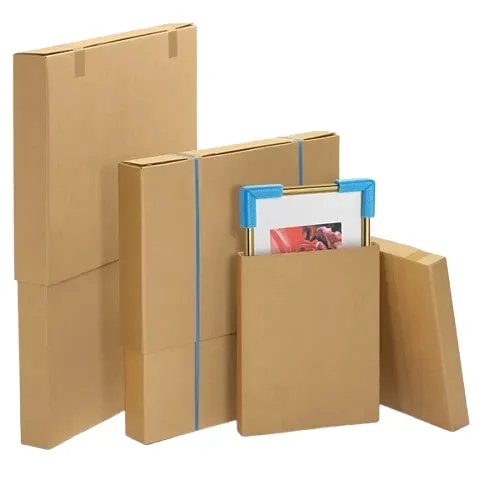
Import Duties and VAT on Exports: The Rules
If you are liable for VAT, as I am, you can apply the 0% rate to exports outside the EU. This means charging no VAT to the foreign customer, provided you can demonstrate that the painting or print actually left the Netherlands, for example through tracking information.
Within the EU, the original article described charging 21% VAT to private individuals unless a turnover threshold was exceeded, and applying the 0% rate to sales to businesses with a VAT number.
Why I Chose to Charge 21% VAT, Including on Foreign Sales
I chose to charge 21% VAT on all sales, including outside the EU. My reasons were:
- Simplicity in my administration;
- No need to retain export evidence for a zero-rated sale;
- Avoiding the risk of additional VAT assessments;
- Clarity for my buyers.
Customers outside the EU would therefore pay Dutch VAT. The original article stated that original artworks were exempt from import duties and often import VAT in many countries, and that buyers would therefore usually pay nothing extra on receipt.
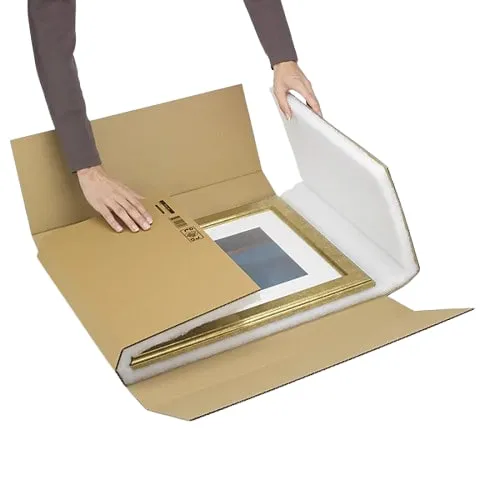
What Did the Article Say About Individual Countries?
- United States: original art was described as exempt from import duties and usually also sales tax.
- Canada: original art was described as exempt from import duties, with 5–15% GST/HST sometimes applying.
- United Kingdom: original art was described as subject to a reduced 5% import VAT rate.
- Germany, France and Italy (EU): customers were described as paying 21% Dutch VAT without additional costs.
The Trade War’s Impact on Artists: What Changed in April 2025?
The original article described original European artworks as exempt from US import duties and taxes before April 2025, and discussed uncertainty surrounding new US tariffs on European products.
In April 2025, the US announced general import tariffs of 10% on European goods, rising to 20% in some sectors. Initially, there was considerable uncertainty about the position of artworks.
The article reported that original handmade art, such as paintings, drawings and prints, remained exempt from those tariffs, referring to Chapter 97 of the US tariff schedule.
It also warned that confusion could cause delays or incorrect charges and suggested clearly identifying the item on the package and invoice, for example as an “Original hand-made painting – HS code 9701.10”.
Where My Artworks Most Often Go
Most of my paintings and prints find homes abroad. My work sells most often in the United States, Canada and the United Kingdom, especially my linocut prints. There is particular appreciation for linocuts in the US and Canada. I also regularly have customers in Germany, Italy and France, where art lovers often appreciate my classical style.
A special place where my work now hangs is Hawaii. It is always remarkable to think that something made in my studio can touch someone every day on the other side of the world.
What About Artists Using the KOR or Not Registered with the Chamber of Commerce?
Not everyone is liable for VAT. The original article summarised the differences as follows.
1. Under the KOR (Dutch small businesses scheme):
- No VAT on the sales invoice;
- No VAT on exports either;
- The article assumed the customer would usually pay no import tax on receipt because the work was original art.
2. Not registered with the Chamber of Commerce (not operating a business):
- No VAT liability;
- Sales possible as an occasional activity;
- The article assumed there would be no additional costs for foreign buyers of original art.
Please note: selling frequently or systematically may still lead the Dutch Tax Administration to regard you as an entrepreneur.
Summary of the Original Article’s VAT and Import Assumptions
Situation · VAT on sale? · Additional costs for buyer on receipt? I am liable for VAT · Yes, 21% · Usually none for original art I use the KOR · No · Usually none for original art I am not operating a business · No · Usually none for original art
Why I Chose Simplicity for Foreign Sales
Because I am liable for VAT, I chose to charge 21% VAT on all my sales, including abroad. My aim was straightforward administration and one clear price for customers, without unexpected VAT assessments.
Do you also sell art abroad and have questions about the process? Let me know. Perhaps sharing my experience can help you take the next step.