14 October 2022
Linen or Cotton Canvas?
Choosing between linen and cotton as a painting surface may seem straightforward because of the price difference. But cost is only one consideration.

What Should You Consider When Choosing Canvas?
- Painting medium
- Size
- Cost
- Durability
- Environmental impact
It helps to understand the properties of linen and cotton and how they affect painting. Both are natural, plant-based materials, but they behave differently as painting supports. Their production processes also differ in environmental impact.
Strength and Durability
Linen is stronger than cotton. It resists wear, tearing and pulling more effectively, making it particularly suitable for stretching over larger frames.
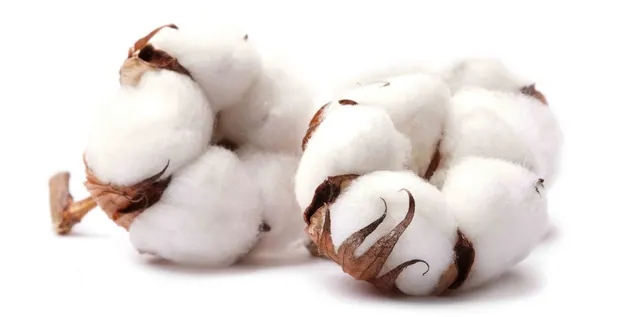
Cotton absorbs and releases moisture more readily than linen. Repeated moisture changes can introduce contaminants such as acids and cause the canvas to lose tension. A taut surface that does not dent easily is helpful during and after painting. Linen can withstand more demanding techniques and retains its tension better. Cotton can be tightened with stretcher keys, but repeated adjustment can reduce the stability of both fabric and stretcher and eventually make the canvas too large to fit its frame neatly.
Environmental Impact
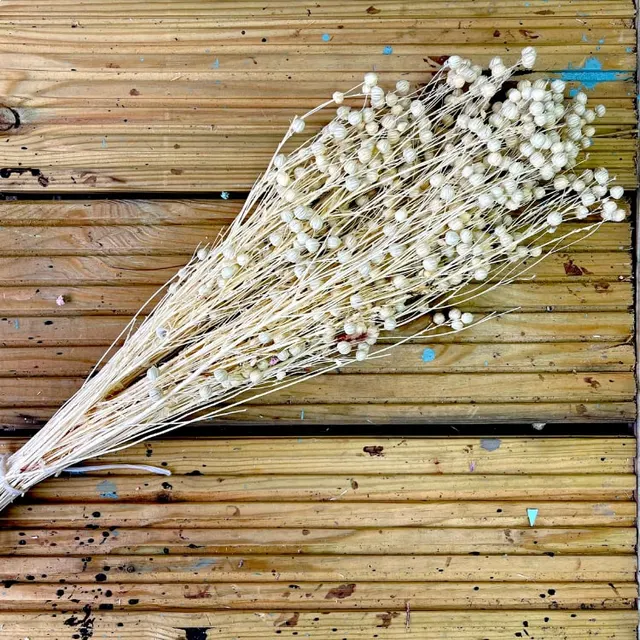
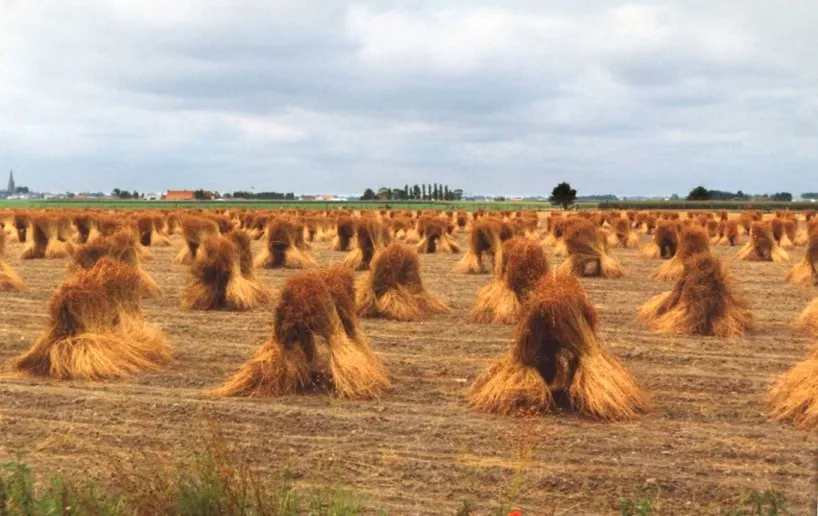
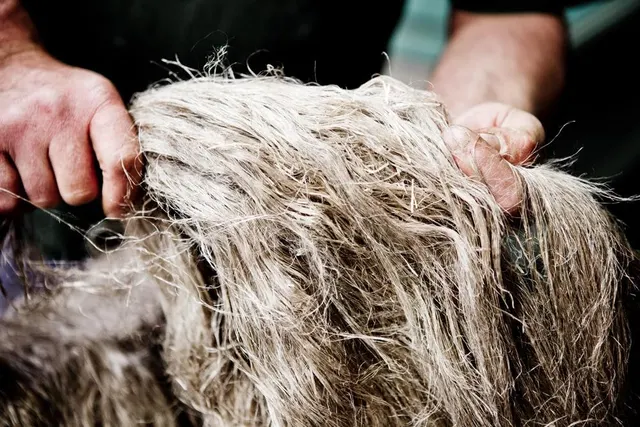
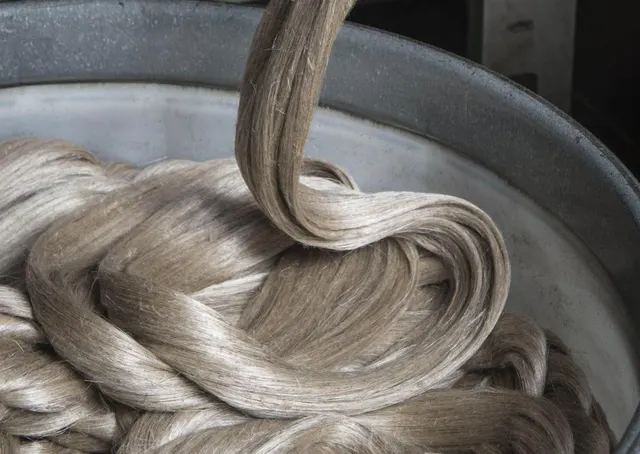
Environmental considerations can also favour linen. Cotton cultivation often uses substantial amounts of fertiliser and pesticides. Flax, the raw material for linen, generally requires much less of either.
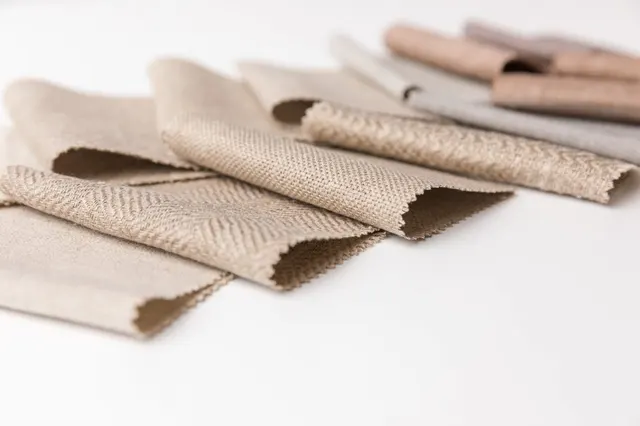
Overall, linen offers advantages in quality and durability, particularly when paintings will be exhibited or sold and need to retain their appearance. For studies and smaller works, however, cotton remains an affordable, practical alternative.
An extract from my book: De Hollandse School – Teken- & Schilderlessen.