4 November 2022
Types of Paper for Drawing and Watercolour
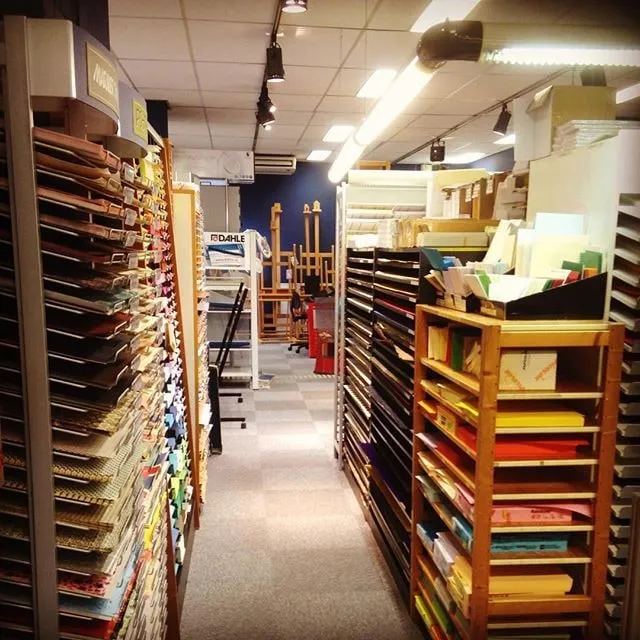
An art-supply shop offers shelves of different papers. Faced with loose sheets and pads, you may wonder which to choose. There is an enormous variety of textures, weights, colours and sizes.
This blog will help you understand which choices suit your project.
““To draw an object, knowing its outline, colour and shadow is not enough: you must be able to represent them.To express a thought, it must become an image. You must learn to draw that image.”MULTATULI – DUTCH WRITER (PEN NAME OF EDUARD DOUWES DEKKER), 1820–1887”
Wood-Containing and Wood-Free Paper
Wood is the most widely used raw material for paper.
Wood-containing papers include some book papers, sketchbooks, newsprint, packaging boards and paperback papers. Many white drawing, offset and copying papers are classed as wood-free. That does not necessarily mean acid-free, although they generally contain less acid than wood-containing papers.
Rag and Cotton Paper
Cotton is an excellent raw material for artists’ paper.
Examples include Fabriano and Arches cotton watercolour papers. These can also be wonderful surfaces for graphite and charcoal drawing.
Paper Characteristics
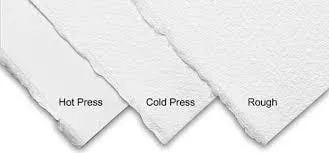
Western drawing and watercolour papers commonly come in three finishes:
- Rough: also called torchon or grana grosso;
- Cold-pressed: also called CP, NOT, fin or grana fino;
- Hot-pressed or smooth: also called HP, satiné or liscia.
Manufacturers use different felts and finishing processes, creating considerable variation within these categories. Smooth paper can range from glossy to almost matt. Some rough papers have a very regular repeating texture, while others are much more varied.
Printmaking papers have comparable descriptions:
- Rough is described as textured;
- A softer, matt surface may be called velvet;
- A smooth surface may be called satiné.
Absorbency
Before painting in watercolour, consider how absorbent the paper is. Its surface and thickness both affect how it behaves.
Paper weight is expressed in grams per square metre (gsm), ranging from very light Japanese mulberry paper at around 12 gsm to heavy watercolour board at 640 gsm. In cylinder-mould production, the fibre-to-water ratio and machine speed influence the resulting sheet.
Paper for Watercolour
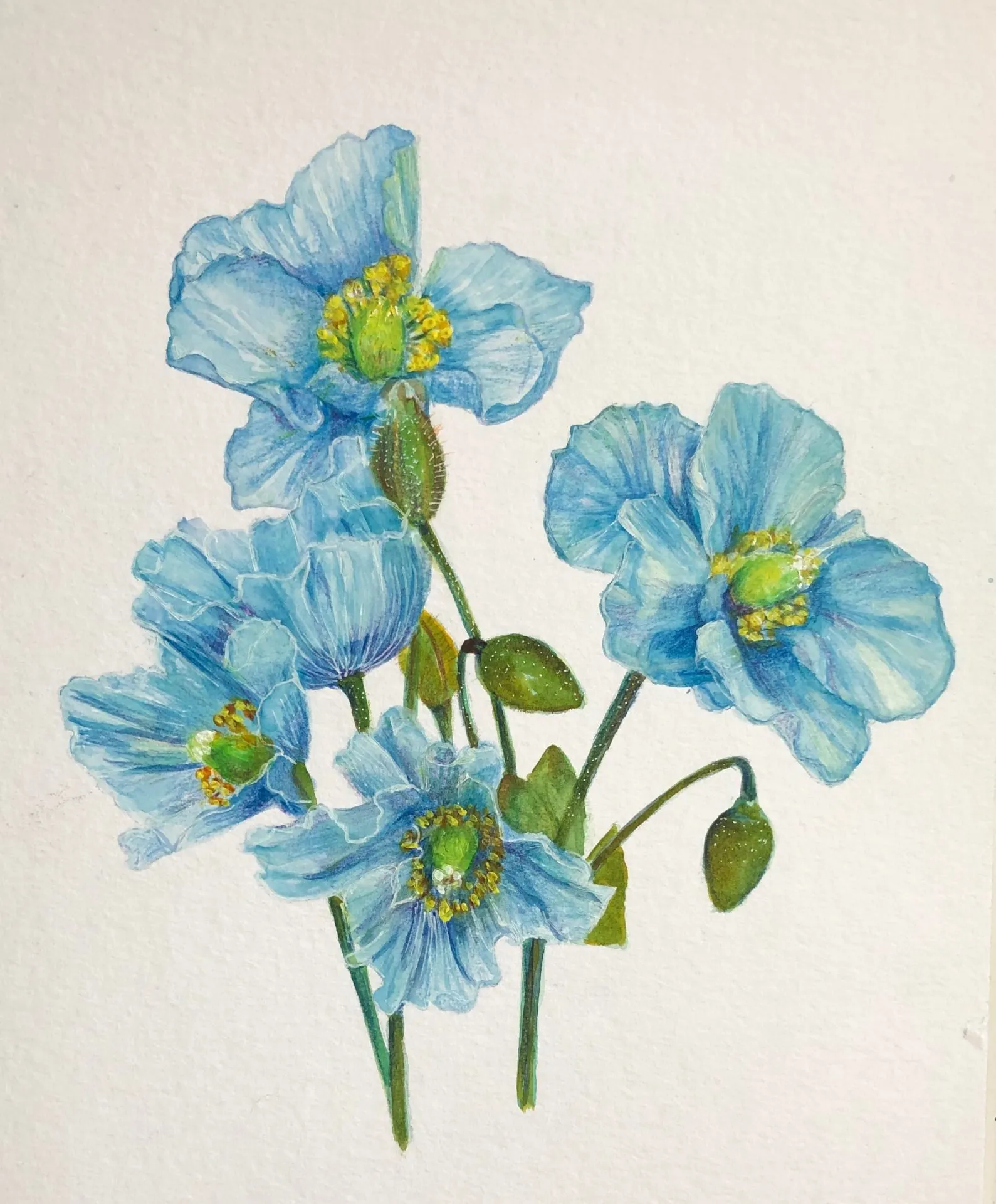
Watercolour is applied in thin layers, and the paper’s texture affects the result. Textured papers give the painting a visible grain. Hot-pressed paper is smooth and well suited to highly detailed, almost photorealistic work. Cold-pressed papers offer varying textures that can leave small areas of white visible.
Because the white paper provides the brightest highlights, white is a useful starting point. On rough paper, pigment gathers in the hollows, while small unpainted areas can create a lively surface. Rough paper is often used for landscapes and seascapes. Smooth, hot-pressed paper suits portraits and detailed painting and also provides a surface that is easier to erase when drawing.
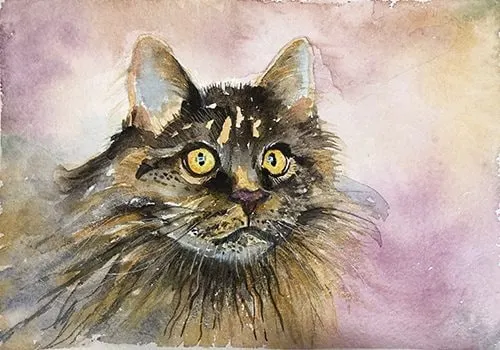
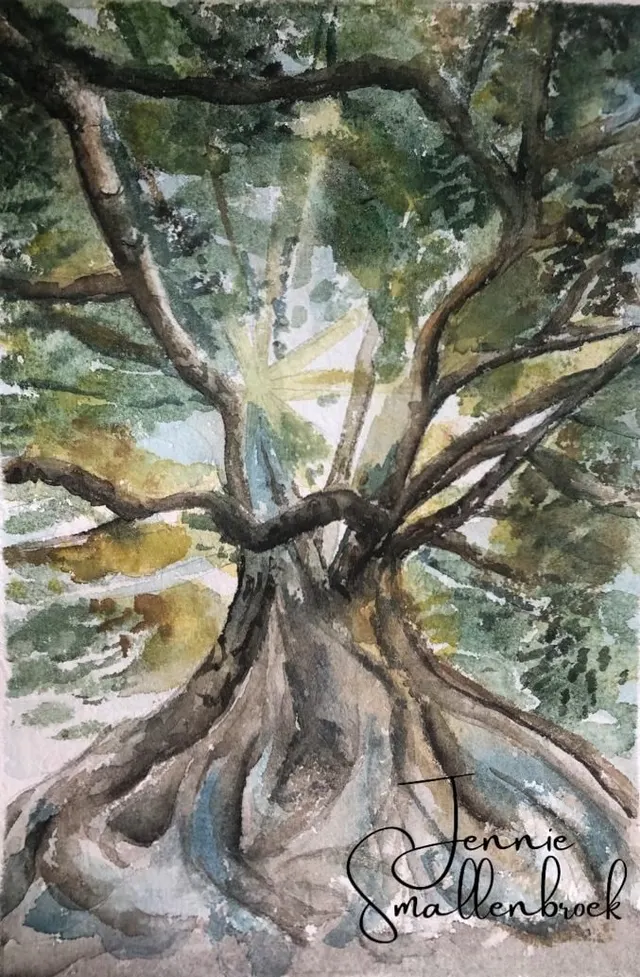
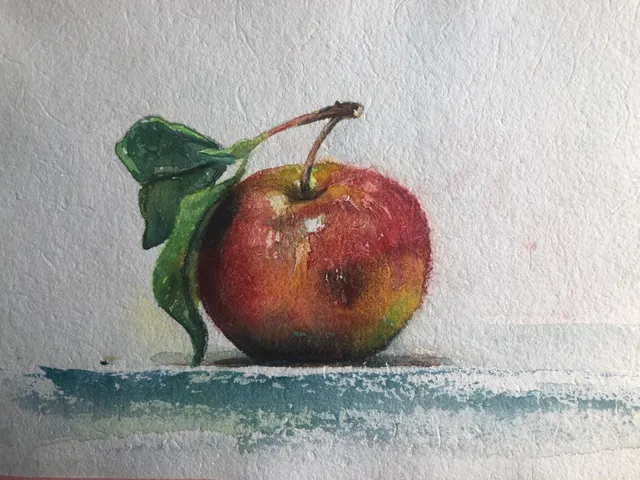
This text is a short extract from my book: De Hollandse School – Teken & Schilderlessen.