13 december 2022
Inspiration
Als mensen creatief bezig zijn doen ze dat vanuit een bepaald gevoel van inspiratie. Dit wordt veroorzaakt door een gedachte die de energie geeft waarbij je de behoefte voelt om dit gevoel tot uiting te brengen, zoals musici, kunstenaars, dichters en schrijvers dit doen.
Inspiration Begins with Thoughts
With inspiration, you can create something beautiful if you have enough foundational knowledge and practice. Artists often make it seem as though their work arose in a single moment of inspiration. Yet behind their ability to create what they imagine usually lie years of hard work and many hours of practice.
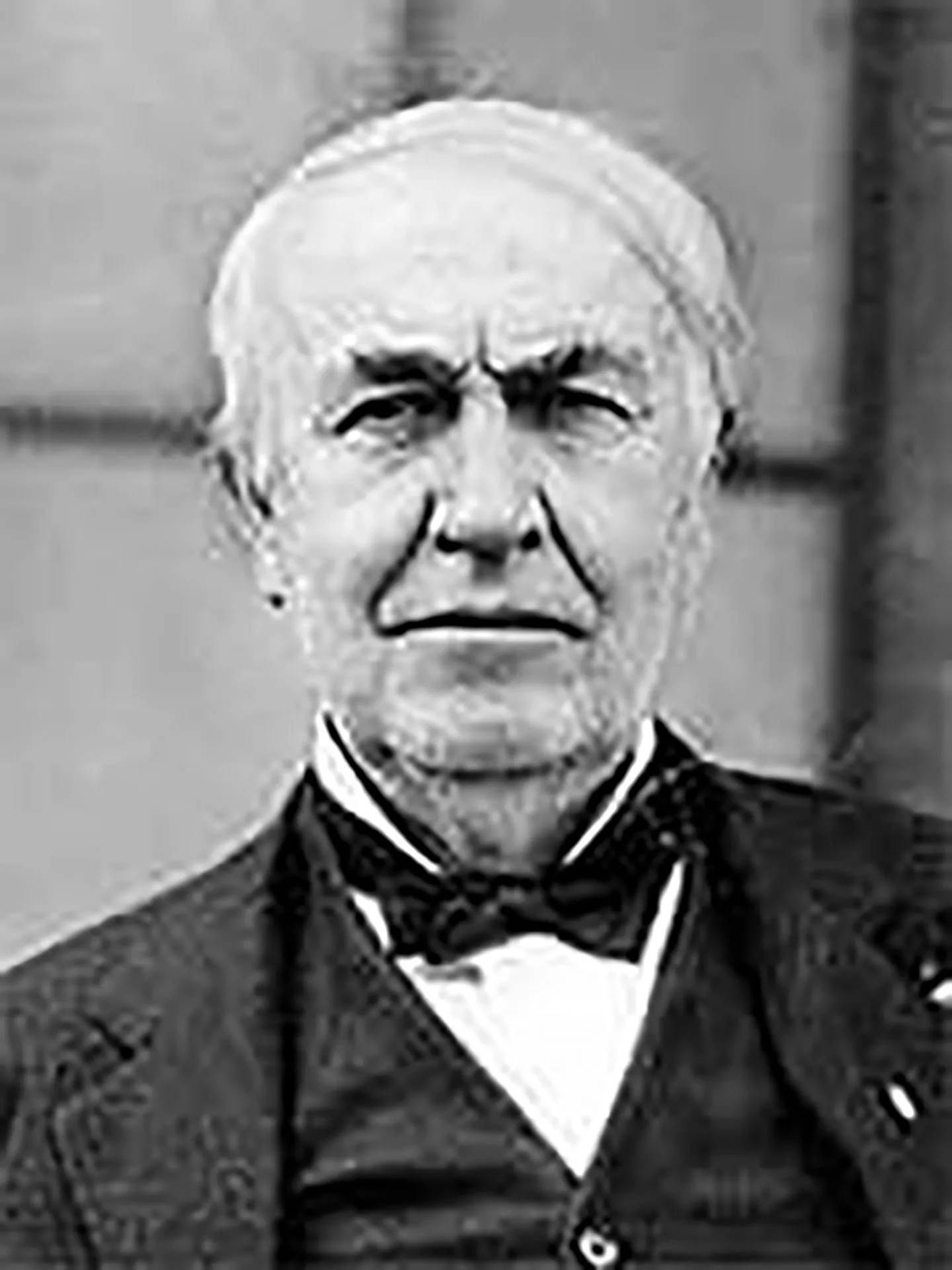
“Genius is one percent inspiration and ninety-nine percent perspiration.”
Thomas Alva Edison American inventor and founder of General Electric, 1847–1931
But What Is Inspiration?
Where does the word come from? The Latin spiritus means spirit or breath. In spiritus suggests being in the spirit.
Different dictionaries offer the following meanings:
- Drawing air into the lungs;
- A divine prompting (Latin: inspiratio);
- Having ideas;
- A creative thought about how to do something or complete a task;
- A state in which you think creatively and know how to do something well;
The literal meaning is breathing into. It can describe a state of consciousness, or creative animation, in which an artist feels at the height of their creative powers and seemingly effortlessly finds the form best suited to the intended artwork.
What Does Inspiration Do?
First, inspiration creates an immediate urge to express yourself musically or artistically. At the same time, it brings the desire to develop the craftsmanship and skills needed to fulfil that urge.
When an artist, writer, poet, composer or performing musician is inspired, these two elements come together. This may happen while composing, preparing a series of sketches or performing. Inspiration draws on both external and internal factors. It may also be nourished by a deeply felt inner spiritual awareness.
Why Is Inspiration So Important?
Inspiration matters because it can be a personal source of well-being. Feeling good begins with your thoughts. It can lift your thinking and your energy, bringing you closer to your true self and, in a spiritual sense, to the unity of the universe or God.
Feeling inspired makes you feel alive and helps you appreciate the people, animals and things around you. When you feel good, the people around you can benefit from that energy too. The final painting becomes less important than the process of creating it.
Distraction
Inspiration can be interrupted by distraction. A musician playing with inspiration may suddenly lose the thread, become less expressive or lose concentration. Internal and external factors can both play a part: a wandering thought or someone coughing in the audience may interrupt the flow. A composer without inspiration may reach a dead end and no longer know how to continue. Artists experience this too.
Distraction takes many forms. After working on accounts and numbers, it can be difficult to switch into the different kind of attention needed for painting and find inspiration again.
Another cause may be a studio that is too hot or too cold, or clutter that keeps turning your thoughts to cleaning, shopping or unanswered emails. A ringing phone can break your concentration and interrupt your flow of inspiration.
Preventing Distraction
What can you do to prevent distraction?
“Turn off your phone, choose a regular day for tidying up and set aside regular times for painting.”
But inspiration cannot always be confined to a particular day or time. You need to find a way to set things aside and give your creativity room. When inspiration suddenly arrives, turn off your phone, close the door and put up a note: ‘Do not disturb: I am working.’ When you are in the flow, you can forget the time, food and drink until your body protests. Keep water and some sandwiches, apples or bananas within easy reach.
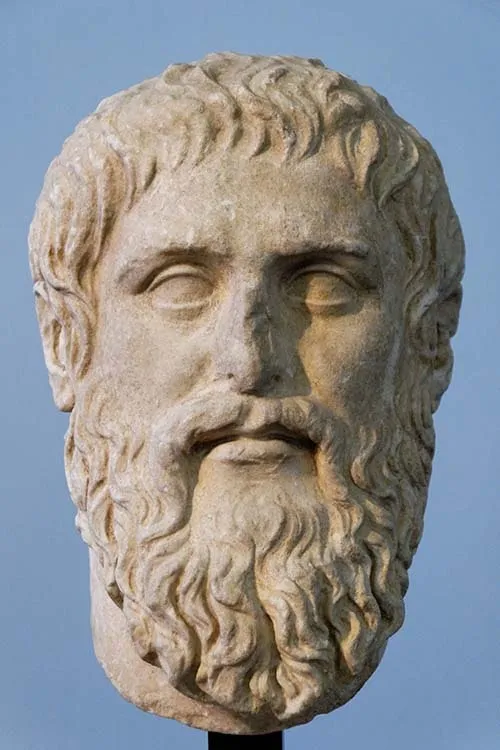
“Whoever approaches the gates of poetry without the madness of the Muses, believing skill alone will make him a great poet, remains uninitiated; his sober work is overshadowed by the poetry of those inspired.”
Plato – Greek philosopher, 427–347 BCE
Finding Your Own Muse (Inspiration)
In ancient Greece, inspiration was attributed to a god or the Muses. Invoking the Muses as a source of inspiration has since become a familiar image. Sometimes a loved one takes the place of the Muse. I translate this into two questions: What makes you happy? What inspires you?
In the twentieth century, Freud helped popularise the idea that inspiration rises from the unconscious. My own experience is that conscious thoughts and actions can influence the unconscious through specific exercises. Here are some steps to help you discover what brings you joy and inspiration:
1. Write Down Your Thoughts
Writing down whatever comes to mind brings unconscious thoughts into awareness. Once a thought is on paper, you can let it go. Freeing your mind from everyday concerns makes room for new thoughts and ideas. This exercise is useful when you feel blocked or uninspired. It also helps you discover what inspires you so that you can deliberately begin creating something new. Get up half an hour earlier and write two pages in a notebook every morning. Write about anything that comes to mind. Do not let anyone else read it or tell anyone what you wrote. Ignore spelling mistakes: correcting them is distracting.
2. Spend a Month Cutting Out Pictures You Like from Magazines Every Day 3. Keep Poems That Move You
After a month, explore what touches you by sorting the pictures by colour or subject. Is it the subject or the colour that moves you most? With poems, what are their subjects? Where in your body do you feel emotion or energy when reading them?
4. Plan a Few Hours Each Week to Go Out on Your Own
Leave others at home so you can focus on finding inspiration. This is your outing, your own Muse day. Do whatever appeals to you: visit a forest, take a walk, shop for creative materials or buy a new sketchbook or notebook. Visit a museum, exhibition or concert.
5. Make a List of All Your Wishes
Choose the easiest wish to fulfil, take action and tick wishes off as you complete them.

6. Make a Weekly Action List
Use your wish list as a guide. Write down what you want to achieve or need to do in the coming week.
7. Make a Daily List of What You Want to Do or Achieve
Use your weekly action list as a guide and tick things off when they are done.
These exercises can soon lead to several discoveries:
- You may discover new things about yourself;
- You may find that some earlier beliefs no longer hold true;
- You may develop new thoughts and ideas that inspire you;
- Morning writing, in particular, can create mental space and a sense of calm;
- You may discover what has been occupying your unconscious mind;
- Writing things down can help you process experiences and give them a new place in your life.
Action lists create mental space: once you have completed and ticked off a task, you can set it aside. Painting lessons can support both technique and inspiration, as seeing what others create can be enormously inspiring.
This text is a chapter from my book: De Hollandse School – Teken & Schilderlessen.